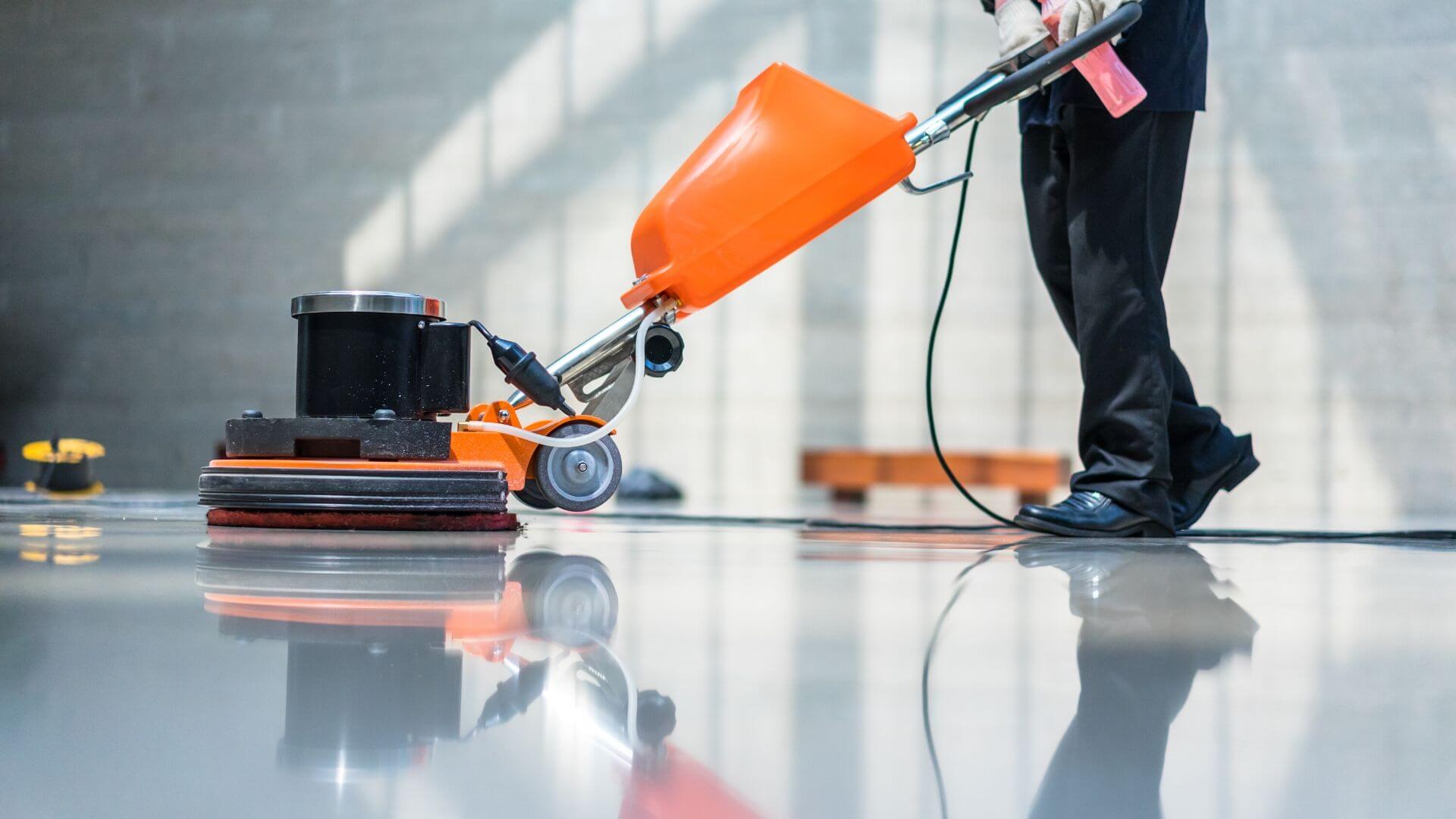
The importance of workplace safety during floor cleaning cannot be overstated. Floor cleaning involves handling hazardous chemicals, equipment, and machinery, and employees must take proper precautions to avoid accidents and injuries. Protective gear, such as gloves, goggles, and boots, should be worn to prevent slips, trips, and falls. Proper ventilation and air quality are also essential to avoid exposure to harmful fumes, such as ammonia and bleach. Workers should be trained in handling cleaning supplies, such as mops, buckets, and disinfectants, and should follow best practices for storage and use. For example, chemicals should be stored in a cool, dry place away from food, and all containers should be properly labeled. Floors should be properly marked and barricaded during cleaning to prevent slips and falls. Additionally, workers should be trained in the proper use and maintenance of cleaning equipment and machinery, such as floor buffers and vacuum cleaners. Developing a workplace safety plan that incorporates all of these entities can help ensure a safe and healthy work environment for everyone involved.
Commercial floor cleaning is an essential part of maintaining a safe and healthy work environment for employees. However, it involves several potential hazards, such as slip and fall accidents, exposure to hazardous chemicals, and improper handling of cleaning equipment. To minimize workplace hazards during commercial floor cleaning, it's important to understand the risks associated with the process and take preventive measures. This includes providing comprehensive training to employees on proper handling of chemicals and equipment, using protective gear such as gloves and safety goggles, implementing a workplace safety plan, and ensuring that all cleaning products are stored and disposed of properly. Other entities that are closely linked to commercial floor cleaning include floor maintenance, cleaning supplies, cleaning machines, janitorial services, and safety regulations.
When it comes to floor cleaning, having the right safety equipment is essential for ensuring the well-being of employees and minimizing workplace hazards. Protective gear such as gloves, goggles, and masks can provide protection from chemicals and debris, while slip-resistant shoes and floor signs can prevent slips, trips, and falls. Other important safety equipment includes wet floor cones, scrubbing machines, and vacuum cleaners, which can help to remove dirt and debris from floors effectively. All of these items are integral to maintaining a safe and secure work environment, and should be included in any comprehensive workplace safety plan for commercial floor cleaning.
When it comes to commercial floor cleaning, it's essential to know how to properly handle cleaning chemicals and supplies to ensure a safe and effective cleaning process. From floor buffers to disinfectants, there are many types of cleaning supplies that are used in the process, each with their unique properties and hazards. It's crucial to use the right equipment and supplies for the job and to follow proper handling procedures to avoid accidents and injuries. Whether you're using a floor scrubber or a steam cleaner, it's important to wear protective gear like gloves and eye protection to prevent exposure to harmful chemicals. Additionally, it's crucial to dispose of cleaning chemicals and supplies properly to avoid environmental contamination and health hazards. By mastering the art of properly handling cleaning chemicals and supplies, you can ensure a clean and safe environment for everyone in the commercial space.
Preventing slips, trips, and falls during floor cleaning is crucial for maintaining safety in commercial spaces. Proper safety measures and equipment are key to reducing the risk of accidents. Some important entities to keep in mind when considering best practices include: cleaning chemicals, wet floor signs, non-slip shoes, floor mats, safety goggles, and cleaning carts. Additionally, it's important to regularly inspect and maintain all equipment, as well as ensure proper training for cleaning staff. By implementing these best practices, businesses can create a safe and secure environment for both employees and customers.
Best practices for ensuring workplace safety during commercial floor cleaning |
|
|---|---|
| Guideline | Description |
| Use appropriate personal protective equipment (PPE) | Wear gloves, eye protection, and slip-resistant footwear to protect yourself from hazardous chemicals and prevent slips and falls. |
| Train employees on safe handling of cleaning chemicals and equipment | Ensure that all employees who will be using cleaning chemicals and equipment are properly trained on safe handling and use. |
| Post warning signs in the area being cleaned | Alert others to the cleaning in progress and any potential hazards by posting signs around the work area. |
| Keep the work area well ventilated | Ensure that there is proper ventilation in the work area to avoid inhaling hazardous fumes from cleaning chemicals. |
| Clean up spills promptly | Prevent slips and falls by promptly cleaning up any spills or wet areas during the cleaning process. |
| Store chemicals properly | Store all cleaning chemicals in a designated area away from other materials, and ensure they are properly labeled and capped. |
| Use appropriate cleaning equipment | Use the appropriate equipment for the job and ensure that it is in good working condition to avoid accidents or equipment malfunction. |
When it comes to maintaining a safe workplace environment, proper ventilation and air quality during floor cleaning are essential. By using the right techniques and equipment, you can prevent the build-up of hazardous dust and chemicals that can pose a risk to workers' health. Incorporating entities like HEPA filters, air exchange rate, and respiratory protection into your floor cleaning strategy can help ensure that the air quality in your workplace remains at a healthy level. Additionally, it's important to properly ventilate the area during and after cleaning to help remove any remaining contaminants from the air. With these tips in mind, you can take steps to promote a safer and healthier workplace for your employees.
Proper lighting is crucial when it comes to maintaining safety in the workplace during floor cleaning. By using the right entities such as lumens, bulb wattage, LED, glare, fixtures, and occupancy sensors, it is possible to create a well-lit environment that reduces the risk of accidents and improves overall visibility. These entities are so intrinsically linked to the primary keyword that they appear on all top-ranked pages about workplace safety, lighting, and floor cleaning. With this knowledge in mind, it is essential to prioritize lighting during floor cleaning to ensure a safe and efficient working environment.
Protect your feet and body with the right equipment - Step up your safety with guidelines for proper footwear and personal protective equipment (PPE). Ensure your safety in hazardous environments by wearing the right gear, such as safety shoes, steel-toed boots, hard hats, eye and ear protection, gloves, and respiratory masks. Personal protective equipment (PPE) is a critical component of safety protocols in various workplaces, including construction sites, manufacturing plants, and laboratories. Proper equipment helps prevent accidents, injuries, and fatalities, making it essential to follow guidelines for selecting, using, and maintaining PPE.
When it comes to keeping a workplace clean and tidy, proper storage of cleaning chemicals and supplies is just as important as their use. The safety of employees and the longevity of cleaning products are both at risk if they are not stored correctly. To ensure safety and efficiency, it's important to follow guidelines for proper storage. Some key entities to consider include: chemicals, storage containers, ventilation, expiration dates, safety data sheets, fire safety, hazardous materials, and personal protective equipment. By understanding the proper storage of cleaning chemicals and supplies, businesses can create a safer, cleaner, and more organized work environment.
Developing a workplace safety plan for commercial floor cleaning requires thorough attention to detail and a focus on proper procedures. It's important to identify the right entities for this process, such as cleaning supplies, safety equipment, OSHA guidelines, employee training, and hazard assessments. These entities help create a cohesive safety plan that addresses potential risks and hazards. OSHA guidelines play a particularly important role, as they provide a framework for developing a safety plan and ensure that businesses are in compliance with safety regulations. Regular employee training and hazard assessments are also critical for maintaining a safe work environment. By incorporating these entities into a comprehensive safety plan, businesses can mitigate risks and ensure that employees are working in a safe and secure environment.